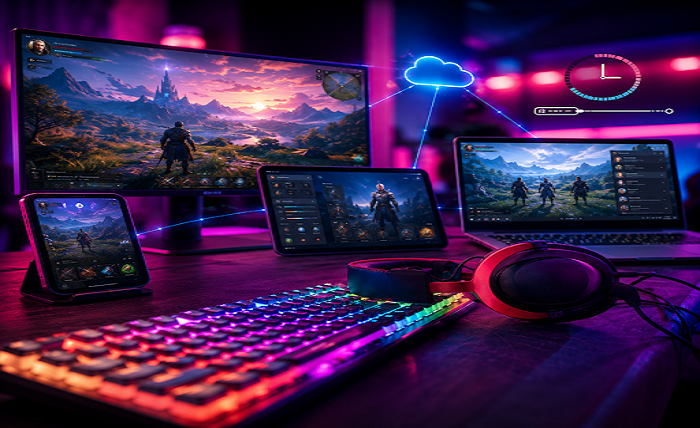
Entertainment has changed dramatically as digital technology has become part of everyday life. People no longer need to follow fixed schedules, visit specific venues, or rely on a single device to enjoy interactive experiences. Online gaming has benefited greatly from this shift, becoming one of the most flexible forms of digital entertainment available today.
Its flexibility comes from several factors, including device compatibility, different game formats, personalized experiences, short or long play sessions, and constantly evolving technology. Together, these features allow online gaming to fit naturally into many different lifestyles.
Access Across Multiple Devices
One of the biggest reasons online gaming is flexible is its availability across different devices. Players can access games through desktop computers, laptops, smartphones, and tablets, depending on the platform and game type.
Modern gaming systems are increasingly designed around responsive technology. Interfaces can automatically adjust to different screen sizes, making menus, controls, graphics, and information easier to use regardless of the device.
This cross-device compatibility means entertainment is no longer tied to a single location. Someone may prefer a larger computer screen at home while using a smartphone for shorter entertainment sessions elsewhere.
Entertainment That Fits Different Schedules
Traditional entertainment often requires a specific amount of time. Watching a movie may take two hours, attending a sporting event may require an entire afternoon, and traveling to an entertainment venue can involve additional planning.
Online games, by comparison, can often accommodate different session lengths.
A player might spend only a few minutes completing a simple game or choose a longer session involving strategy, exploration, competition, or social interaction. This ability to adjust entertainment time makes gaming especially compatible with modern schedules.
At the time of review, the public PANSOS4D homepage presented both primary and alternative browser access paths, alongside five separate contact channels. This provides a concrete example of how digital platforms can reduce dependence on a single route of access.
Digital Card and Tabletop Games
Another major advantage is variety. Online gaming is not a single entertainment category. It includes numerous formats designed for different interests and levels of participation.
Common examples include:
- Strategy and puzzle games
- Multiplayer competitions
- Sports simulations
- Adventure and role-playing games
- Casual mobile games
- Digital card and casino-style games
- Social and cooperative gaming experiences
This diversity allows users to move between different types of entertainment without changing the overall medium. Someone interested in competition one day may prefer a relaxing puzzle experience the next.
Personalization Makes Gaming More Adaptable
Digital technology also allows gaming experiences to become increasingly personalized.
Platforms can organize game libraries according to categories, recently played titles, preferences, difficulty levels, or popular content. Players can often modify sound settings, visual features, control layouts, notifications, and other interface elements.
Some games also allow users to customize characters, environments, challenges, or gameplay styles. These options give players more control over how they interact with digital entertainment.
Personalization does not simply make games more visually interesting. It helps create experiences that can accommodate different preferences, devices, abilities, and playing habits.
Social Interaction Can Be Optional or Central
Online gaming also offers flexibility in how people interact with others.
Some players prefer single-player experiences where they can explore independently. Others enjoy multiplayer games involving teamwork, rankings, tournaments, communities, or real-time communication.
Modern online games frequently combine these approaches. Players may complete individual activities while still participating in a wider digital community.
This flexibility makes gaming suitable for people who view entertainment differently. It can function as a solitary activity, a competitive challenge, or a shared social experience.
Technology Continues Expanding the Possibilities
Cloud computing, faster internet connections, mobile hardware, artificial intelligence, and cross-platform systems continue to broaden what online games can offer.
Cloud gaming, for example, can reduce dependence on powerful local hardware by processing some gaming functions remotely. Cross-platform development can also allow users on different devices to participate in the same digital environment.
These developments make gaming increasingly adaptable rather than dependent on one device or traditional setup.
Conclusion
Online gaming has become highly flexible because it combines accessibility, variety, personalization, adjustable session lengths, and different levels of social interaction within one digital format. Its ability to work across devices and accommodate different schedules is particularly important in a world where entertainment habits are becoming more mobile and individualized. As technology continues developing, online gaming is likely to remain a flexible entertainment medium capable of adapting to changing devices, lifestyles, and user expectations.