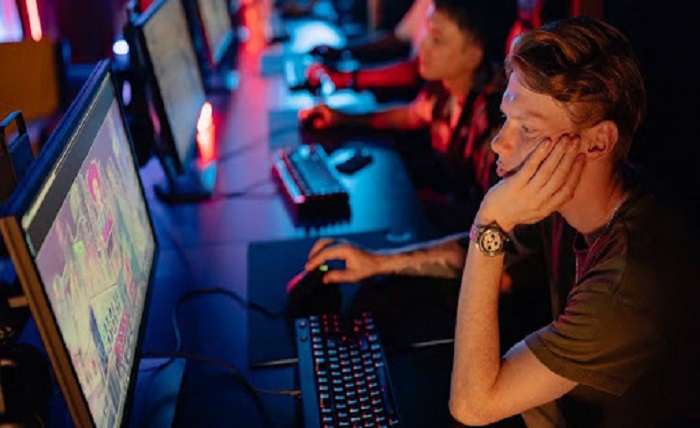
How do players end up shaping the spaces they spend time in online?
The answer sits in the way modern games let communities build habits, rules, and shared meaning around a digital space. Those choices can affect how a match feels, how a server behaves, and how long people keep returning. The result is a player-led setting where the crowd is not just using the system but also steering its daily life.
That shift matters because online play is no longer only about fixed code. Players write the social script through chat, team tactics, custom rules, and informal etiquette. In some spaces, even a slot gacor discussion can shape how people talk about timing, luck, and shared expectations inside a community.
How Players Shape The Setting
Player-led settings start with behavior. When a group decides what counts as fair play, polite chat, or acceptable competition, that agreement becomes part of the experience. New members learn fast by watching how regulars act, so social rules spread from player to player.
Social Norms Set The Tone
Small habits matter more than they seem. A team that shares information clearly tends to coordinate better, while a group that tolerates chaos often turns matches into noise. These patterns are not written into the code, yet they strongly affect how the space feels.
Players also create meaning through repetition. A greeting, a joke, or a ritual before a match can make a server feel familiar. That sense of routine gives people a reason to return, because the space carries memory as well as mechanics.
Player Control Through Custom Rules
Many online spaces give players tools to shape how sessions run. That can include private lobbies, custom settings, community events, or house rules that narrow what is allowed. The control is limited by the system, but it still lets groups build distinct habits.
In some communities, the word slot becomes part of how players talk about turn order, room access, or feature timing. That kind of shared language helps people organize activity without needing formal leaders.
Local Rules Change Behavior
Once a group agrees on local rules, play tends to become more predictable. People know what to expect, which reduces conflict and makes cooperation easier. The rules can also support niche styles of play that would feel lost in a larger, less organized setting.
These rules are often practical rather than flashy. A group may limit certain tactics, fix team sizes, or set time windows for events. Each choice shapes pacing, and pacing affects how tense, relaxed, or competitive the space becomes.
Communication Keeps The Structure Alive
Player-led spaces depend on constant communication. Chat messages, voice calls, forum posts, and private groups help people share updates and solve problems fast. Without that ongoing talk, even a well-built space can feel scattered.
Clear communication also preserves trust. If players explain decisions and report issues early, conflicts are easier to settle. That matters because people stay longer in places where they feel heard and know what the group expects.
Shared Language Builds Identity
Communities often develop their own phrases for tactics, moods, and events. Those phrases make communication faster, but they also create identity. A newcomer who learns the language is more likely to feel accepted because the group has a recognizable way of speaking.
Identity can be seen in how players react to change. If a rule shifts or a feature disappears, the reaction is usually about more than mechanics. People are defending habits, memory, and the social order they helped create.
Why Player-Led Spaces Last
Player-led spaces last because they give people a stake in daily life. When people help shape the rules, they care more about keeping the group healthy. That sense of shared ownership can make a space feel stable even when the surrounding platform changes.
They also survive because they can adapt faster than fixed systems. Players notice problems early, adjust customs, and solve friction before it spreads. That quick response keeps the setting useful and keeps the community active.
In the end, online gaming is not only a technical system. It is also a social structure built by the people inside it, one decision, one rule, and one conversation at a time.