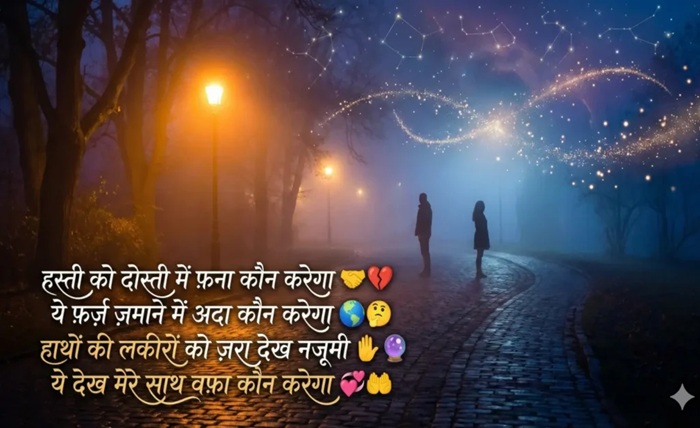
Introduction
Sad shayari is a unique form of poetry that allows people to express their deepest emotions, particularly feelings of heartbreak, loneliness, and melancholy. It has a profound impact on readers, as it connects with the emotional experiences we all encounter in life. Whether written in Hindi, Urdu, or Punjabi, sad shayari captures the essence of pain and sorrow, providing solace and understanding to those going through emotional turmoil.
In today’s digital world, sad shayari has found a prominent place on social media platforms, websites, and messaging apps. People share sad shayari not only to express their feelings but also to connect with others who have experienced similar emotions. This blog post explores the different facets of sad shayari, its types, benefits, and how it serves as a medium for emotional release and understanding.
What is Sad Shayari?
Sad shayari is a form of poetry that specifically focuses on themes of sadness, heartbreak, and emotional pain. Unlike regular poetry, which may cover a wide range of topics, sad shayari delves into the personal experiences of sorrow and unfulfilled love. The word “shayari” originates from Urdu, meaning poetic expression, and when combined with sadness, it creates a medium to articulate feelings that are often difficult to express verbally.
People turn to sad shayari to communicate emotions that are hard to explain in daily conversations. Whether it’s about lost love, unrequited feelings, or moments of deep despair, sad shayari resonates with anyone who has experienced emotional challenges. Through metaphors, wordplay, and poignant expressions, sad shayari transforms personal grief into relatable poetry that can touch hearts.
The History and Evolution of Sad Shayari
The tradition of sad shayari dates back several centuries, originating in the Mughal era where poetry was used as a medium to express emotions and philosophical thoughts. Over time, poets began exploring human emotions such as sorrow, heartbreak, and loneliness through sad shayari. Famous Urdu poets like Mirza Ghalib and Faiz Ahmed Faiz created timeless works that embodied the essence of sad shayari, reflecting the emotional depth of human experiences.
In modern times, sad shayari has evolved to include various styles and languages, including Hindi and Punjabi, allowing it to reach a broader audience. With the rise of social media platforms, sharing sad shayari has become a way for people to publicly express their emotions and connect with others who feel similar pain. This evolution shows how sad shayari remains relevant and continues to touch lives across generations.
Types of Sad Shayari
Sad shayari comes in many forms, each catering to different emotional experiences. Understanding these types can help individuals find the perfect words to express their feelings. Common types include:
-
Heartbreak Shayari – Focuses on the pain of lost love or separation. Example: expressing the sorrow of a relationship that ended too soon.
-
Loneliness Shayari – Highlights feelings of isolation and solitude. These shayaris often resonate with those experiencing a void in their lives.
-
Betrayal Shayari – Deals with themes of deceit and trust broken in relationships, evoking deep emotional responses.
-
Self-Reflection Shayari – Explores personal struggles, regrets, and introspection, often providing cathartic relief.
-
Unrequited Love Shayari – Captures the pain of loving someone who does not reciprocate feelings.
Each type of sad shayari allows readers to identify with the emotions described, offering a sense of connection and understanding.
Why Sad Shayari Connects With Everyone
The reason sad shayari resonates with so many people is its universal theme: emotional pain. Everyone experiences moments of sadness, loss, or heartbreak in their life, and sad shayari serves as a mirror reflecting those emotions.
-
Emotional Release: Reading or writing sad shayari allows individuals to release pent-up emotions in a safe and creative way.
-
Empathy and Understanding: It creates a sense of empathy, as people realize they are not alone in their struggles.
-
Therapeutic Effects: Psychologists often recognize that expressing feelings through art or poetry, such as sad shayari, can be therapeutic and help manage emotional stress.
By connecting deeply with human emotions, sad shayari continues to hold a special place in literature and modern social expression.
Popular Platforms for Sad Shayari
In the digital age, sad shayari has expanded beyond books and personal notebooks to online platforms where users can share, read, and interact. Some popular ways to access sad shayari include:
-
Social Media Platforms: Instagram, Facebook, and Twitter are filled with pages and posts dedicated to sad shayari.
-
Messaging Apps: WhatsApp and Telegram groups allow sharing sad shayari in text, image, or video formats.
-
Dedicated Websites: Numerous websites curate collections of sad shayari, offering daily updates and themed poetry.
-
YouTube Channels: Some channels present sad shayari as recited poetry or background visuals, making it more engaging.
These platforms have made sad shayari more accessible, enabling people to express themselves in ways that were previously limited to personal diaries or literary circles.
How to Write Your Own Sad Shayari
Writing sad shayari can be both a creative outlet and a method for emotional healing. Here’s a guide to creating your own:
-
Identify Your Emotion: Understand the specific feeling you want to express, whether it’s heartbreak, loneliness, or betrayal.
-
Use Metaphors: Like many poets, employ metaphors to convey emotions vividly. Example: “My heart is a deserted garden, where no love blooms.”
-
Keep it Short and Impactful: Shayari often has a compact structure, emphasizing emotion over word count.
-
Rhyme and Rhythm: Traditional sad shayari often follows rhyming patterns, though free verse is also acceptable.
-
Share Your Work: Posting your sad shayari on social media or discussing with friends can provide a sense of connection.
Writing sad shayari is not only a way to express sorrow but also a tool to understand oneself better.
The Impact of Sad Shayari on Mental Health
While sad shayari is centered around sorrow, it can positively impact mental health when used appropriately. By reading or writing sad shayari, individuals can:
-
Release Emotional Tension: Articulating feelings helps reduce internal stress.
-
Foster Emotional Intelligence: Understanding complex emotions enhances empathy and emotional awareness.
-
Provide a Sense of Belonging: Recognizing that others share similar pain can reduce feelings of isolation.
-
Encourage Reflection: Sad shayari prompts introspection, helping people process grief and heartbreak.
Thus, despite its melancholic themes, sad shayari serves as a powerful emotional and psychological outlet.
Tips for Sharing Sad Shayari
Sharing sad shayari can be a sensitive experience. Here are tips to ensure your expression reaches the right audience:
-
Choose the Right Platform: Use social media or messaging apps based on where your audience engages the most.
-
Pair with Visuals: Sad images or subtle videos can enhance the impact of sad shayari.
-
Tag Appropriately: Use hashtags like #sadshayari or #heartbreakpoetry to reach people with similar interests.
-
Engage with Feedback: Responding to comments can build a supportive community.
-
Respect Emotional Boundaries: Avoid overly personal content that could affect others negatively.
By following these practices, sharing sad shayari becomes a way to connect meaningfully rather than just express sadness.
Conclusion
Sad shayari is more than just poetry; it is an emotional outlet, a form of art, and a bridge that connects people through shared experiences of pain and heartbreak. It allows individuals to articulate feelings that often go unspoken, offering both solace and understanding. From historical Urdu poets to modern digital platforms, sad shayari has evolved while maintaining its essence of deep emotional resonance.
Whether you are writing your own sad shayari, reading it online, or sharing it with friends, this poetic form has the power to heal, connect, and inspire. Its enduring popularity proves that human emotions, especially sorrow and heartbreak, are timeless and universal, and sad shayari provides the words to express them beautifully.
FAQs
Q1: What is the main theme of sad shayari?
The main theme of sad shayari revolves around emotions like heartbreak, loneliness, and emotional pain.
Q2: Can sad shayari help in emotional healing?
Yes, writing or reading sad shayari can provide a therapeutic outlet for emotional expression.
Q3: Which languages are commonly used for sad shayari?
Sad shayari is commonly written in Urdu, Hindi, Punjabi, and sometimes English, reaching a wide audience.
Q4: How can I share my sad shayari online?
You can share sad shayari on social media platforms, messaging apps, blogs, or dedicated poetry websites.
Q5: Is sad shayari only for heartbreak?
No, sad shayari also explores loneliness, betrayal, regrets, and personal struggles beyond romantic heartbreak.