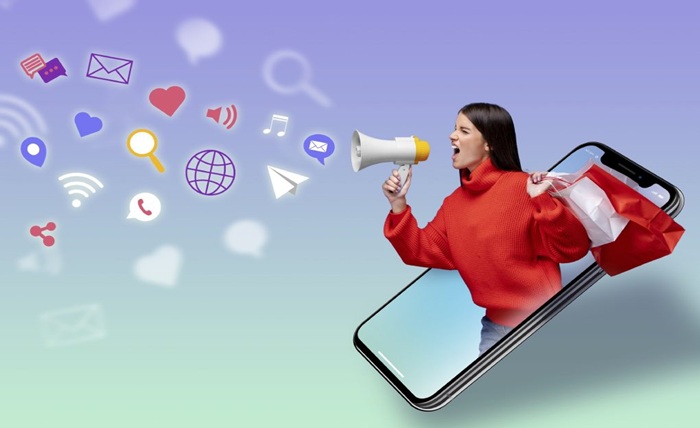
The phenomenon of influencers gonewild has emerged alongside the attention economy, where creators compete for clicks, shares, and relevance in crowded feeds, and the pressure to stand out often pushes boundaries of taste, judgment, and responsibility while reshaping how audiences consume, reward, and criticize online behavior.
What “Influencers Gonewild” Really Means in Digital Culture
At its core, influencers gonewild describes moments when creators deviate sharply from their usual brand personas through impulsive actions, controversial statements, or shock-driven stunts, reflecting how online fame can blur lines between authenticity and performance in digital culture.
The Psychology Behind Influencers Gonewild Moments
Many influencers gonewild episodes are rooted in psychological drivers such as validation seeking, dopamine loops from engagement metrics, fear of irrelevance, and the parasocial pressure to constantly entertain audiences who expect ever-escalating content.
Platform Algorithms and the Amplification of Influencers Gonewild
Social media algorithms often unintentionally reward influencers gonewild behavior by prioritizing high-engagement posts, meaning controversy can spread faster than nuance, and creators learn—sometimes unconsciously—that extreme actions are more visible than thoughtful ones.
Audience Responsibility and the Consumption of Influencers Gonewild Content
While creators initiate influencers gonewild moments, audiences also play a role by sharing, reacting, and monetizing attention, which raises questions about collective responsibility in shaping what kind of online behavior becomes normalized or profitable.
Brand Deals, Monetization, and the Risks of Influencers Gonewild
For many creators, influencers gonewild incidents can jeopardize brand partnerships, as advertisers increasingly prioritize safety and reputation, showing that short-term virality can conflict with long-term financial sustainability.
Ethics, Accountability, and Lessons from Influencers Gonewild
The ongoing discussion around influencers gonewild highlights the need for ethical standards, clearer accountability, and digital literacy, encouraging creators to balance creative freedom with awareness of their influence on diverse audiences.
Conclusion
Ultimately, influencers gonewild serves as a cautionary lens on modern fame, reminding creators and viewers alike that sustainable influence comes from consistency, values, and thoughtful engagement rather than fleeting moments of shock-driven attention.
1: Why do influencers gonewild moments happen so frequently?
Influencers gonewild moments happen frequently because constant content demands, algorithmic pressure, and audience expectations create an environment where extreme behavior feels like a shortcut to visibility.
2: Are influencers gonewild incidents always intentional?
Not all influencers gonewild incidents are planned, as many arise from impulsive decisions, burnout, or misjudging how content will be received once amplified online.
3: How do platforms respond to influencers gonewild behavior?
Platforms respond to influencers gonewild behavior through moderation, demonetization, or policy enforcement, though responses vary widely depending on visibility, backlash, and public pressure.
4: Can influencers recover after going gonewild online?
Yes, many creators recover from influencers gonewild moments by apologizing, rebranding, taking breaks, or demonstrating growth, though recovery often depends on audience trust and transparency.
5: What can audiences learn from influencers gonewild trends?
Audiences can learn from influencers gonewild trends by developing critical media literacy, recognizing attention manipulation, and supporting content that aligns with healthier digital norms.