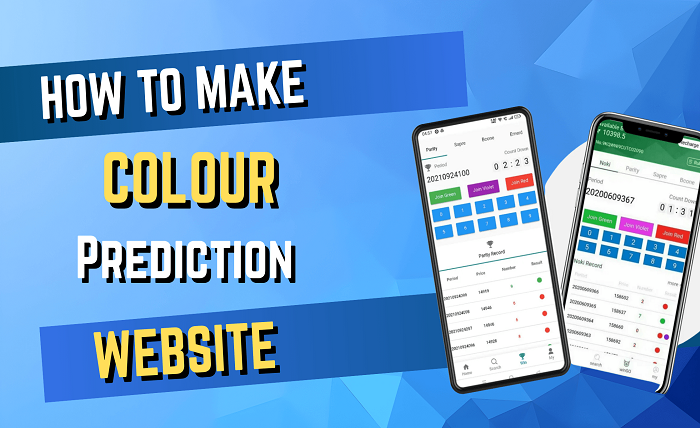
Online color prediction games have emerged as a popular form of entertainment in the digital era, blending chance, psychology, and simple mechanics into an engaging user experience. These games are often hosted on mobile apps or websites, attracting players with their straightforward design and the thrill of making quick predictions. While they may appear simplistic at first glance, the underlying structure involves a combination of rules, logic, and user flow that keeps participants engaged and returning for more. Understanding how these games work requires a closer look at their mechanics and the psychology behind them.
Rules of Color Prediction Games
The rules of color prediction games are typically easy to grasp, which is one of the reasons for their widespread appeal. A player is presented with a set of colors, most commonly red, green, or blue, and asked to predict which color will be chosen or revealed in the next round. Each round has a fixed duration, often ranging from 30 seconds to a few minutes, during which players must place their bets or predictions. Once the timer expires, the system reveals the winning color, and players who predicted correctly receive rewards or points, while incorrect predictions result in losses.
Some platforms introduce variations to keep the experience fresh. For example, certain games may include additional colors, multipliers, or bonus rounds. Others may allow players to predict sequences of colors rather than a single outcome, increasing both the complexity and potential rewards. Despite these variations, the core rule remains consistent: predict the correct color within the given timeframe.
The Logic Behind the Games
At the heart of color prediction games lies a system that determines outcomes. In legitimate platforms like Daman Game Login, the results are generated using algorithms designed to ensure fairness, often relying on random number generators (RNGs). RNGs are mathematical functions that produce unpredictable results, simulating randomness in digital environments. This ensures that no player can consistently predict outcomes based on patterns, maintaining the integrity of the game.
However, the perception of logic plays a significant role in how users engage with these games. Many players attempt to identify trends or patterns in the sequence of colors, believing that past outcomes influence future ones. This is a psychological phenomenon known as the gambler’s fallacy, where individuals assume that a streak of one color increases the likelihood of another appearing next. While the actual logic of the game is rooted in randomness, the human tendency to seek patterns adds an extra layer of engagement.
User Flow and Experience
The user flow in color prediction games is carefully designed to maximize engagement and retention. The process typically begins with registration, where users create an account and deposit funds or credits to participate. Once inside the platform, the interface guides players seamlessly from one round to the next, minimizing downtime and encouraging continuous play.
The flow usually follows a cycle: prediction, waiting, result, and reward. This cycle is repeated rapidly, creating a rhythm that keeps players immersed. The waiting period, though short, builds anticipation, while the immediate revelation of results delivers instant gratification. Rewards, whether in the form of points, credits, or monetary gains, reinforce the behavior and motivate players to continue.
Many platforms also incorporate social and psychological elements into the user flow. Leaderboards, referral bonuses, and community chats foster a sense of competition and belonging. Notifications and reminders encourage players to return, while visually appealing designs and sound effects heighten the emotional impact of each round. Together, these elements create a user experience that feels both simple and addictive.
Risks and Considerations
While color prediction games can be entertaining, it is important to acknowledge the risks associated with them. The reliance on chance means that outcomes are unpredictable, and players can easily lose money if they treat the games as a source of income rather than entertainment. The fast-paced nature of the user flow can also lead to impulsive decisions, making it essential for players to exercise caution and self-control.
Conclusion
Online color prediction games thrive on their simplicity, combining easy-to-understand rules with the psychological allure of randomness and pattern recognition. The logic behind them is rooted in algorithms and randomness, but the human tendency to seek meaning in sequences adds depth to the experience. The user flow is designed to be smooth, engaging, and rewarding, ensuring that players remain immersed in the cycle of prediction and result. While these games can provide entertainment, they also carry risks that players must be mindful of. Ultimately, understanding how they work allows users to appreciate both the fun and the responsibility that comes with participating in them.