Introduction
Hair loss is a common concern for both men and women, and it can have a significant impact on one’s self-esteem and overall appearance. Fortunately, advancements in medical technology have made it possible for individuals to regain a full head of hair with a hair transplant. This procedure has become increasingly popular as techniques have improved, offering more natural-looking results with minimal scarring and downtime.
In this article, we’ll dive into the science of hair transplant procedures and explore how Natural Hairline Restoration plays a pivotal role in ensuring that the results are as realistic as possible. We’ll also highlight the latest trends in the field and explain how you can achieve a rejuvenated look through the help of modern hair restoration techniques.
Understanding Hair Loss and the Need for Restoration
Hair loss is a multifactorial condition that can result from genetics, hormonal changes, age, or lifestyle factors. The most common type of hair loss, androgenic alopecia, affects both men and women, but it is most noticeable in men as they experience a receding hairline and thinning crown. For women, hair loss typically presents as diffuse thinning rather than bald spots, but it can still be just as emotionally challenging.
Other factors such as stress, poor diet, or medical conditions like thyroid imbalances and alopecia areata can also contribute to hair thinning or loss. While many over-the-counter products and medications claim to help combat hair loss, they often provide temporary or limited results. This has led many individuals to seek more permanent solutions, such as Natural Hairline Restoration, to address their concerns effectively.
The Science of Hair Transplantation
A hair transplant is a surgical procedure where hair follicles are moved from one part of the body (the donor area) to another (the recipient area). The most common method of hair transplant surgery is FUE (Follicular Unit Extraction), which involves extracting individual hair follicles from the back or sides of the head, where hair is more resistant to thinning, and transplanting them to the areas that are thinning or balding.
Another widely used technique is FUT (Follicular Unit Transplantation), also known as strip harvesting. In this method, a strip of scalp is removed from the donor area, and individual follicular units are then dissected and transplanted to the thinning areas. While FUT typically leaves a linear scar, it can be more suitable for patients who require a large number of grafts.
Both FUE and FUT are designed to offer permanent results because the transplanted hair follicles are taken from areas of the scalp where hair is genetically resistant to hair loss. Once the transplanted hair establishes itself in its new location, it will continue to grow naturally, making it an effective long-term solution for hair restoration.
What is Natural Hairline Restoration?
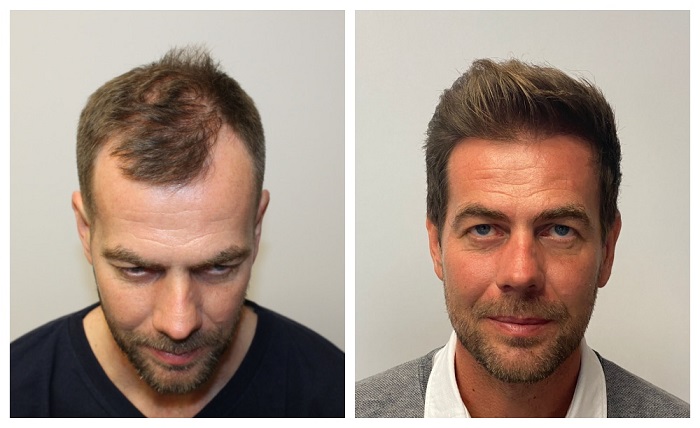
One of the most critical aspects of a hair transplant procedure is creating a natural, aesthetically pleasing hairline. A well-designed hairline can make all the difference in the overall success of the transplant and how realistic the results appear. Natural Hairline Restoration focuses on carefully crafting a hairline that complements the patient’s facial features and restores a youthful look.
When performing a hair transplant, the plastic surgeon or hair restoration specialist takes several factors into consideration, including the patient’s age, gender, and the natural pattern of hair growth. For example, a receding hairline may be restored by carefully designing a new, softer hairline that mimics the natural pattern of the patient’s hair growth.
Creating a natural hairline involves a delicate balance between density and placement. The first few hairline grafts are placed with more space between them, and the hairs are often finer, just like natural hair. As the grafts move further back, the density increases, resembling the way hair naturally thickens toward the crown.
The key to Natural Hairline Restoration is personalization, no two hairlines are the same. The surgeon takes into account the patient’s unique bone structure and hair type to ensure that the hairline looks as natural and realistic as possible.
Why Natural Hairline Restoration Matters
A natural hairline is crucial for several reasons. First, it ensures that the results of the hair transplant don’t look overly obvious or artificial. A hairline that’s too straight, too low, or too dense can appear unnatural, making it evident that the individual has had surgery. By designing a custom hairline, a plastic surgeon can ensure that the results are subtle and enhance the person’s facial features.
Second, a natural hairline plays an important role in boosting a patient’s confidence. Hair restoration isn’t just about regrowing hair; it’s about restoring a sense of self. A well-designed hairline that matches the patient’s natural features can improve their overall appearance, helping them feel more comfortable and confident.
Advancements in Hair Restoration Technology
The field of hair restoration has advanced rapidly in recent years, with new technologies improving both the effectiveness and efficiency of hair transplant procedures. These advancements have led to faster recovery times, more refined techniques, and improved aesthetic outcomes.
- Robotic Hair Restoration: Robotic-assisted hair transplant systems, such as the ARTAS system, use artificial intelligence to assist surgeons in extracting and implanting hair follicles. These robots can perform the procedure with greater precision, minimizing human error and improving the quality of graft placement.
- Platelet-Rich Plasma (PRP) Therapy: PRP therapy is sometimes used in conjunction with hair transplant surgery to enhance the results. By using the patient’s own blood, PRP promotes hair follicle growth and can improve the healing process after surgery. It’s also used as a preventive treatment for hair loss before surgery is necessary.
- Stem Cell Therapy: While still in experimental stages, stem cell therapy holds the potential to revolutionize hair restoration. Researchers are exploring ways to use stem cells to regenerate hair follicles, offering a more natural approach to hair regrowth.
The Importance of Choosing the Right Surgeon
When considering a hair transplant, choosing the right surgeon is crucial to achieving natural, long-lasting results. A skilled plastic surgeon specializing in hair restoration has the expertise needed to design a personalized treatment plan that takes into account your goals, hair type, and facial structure.
Make sure to choose a surgeon who is board-certified and has extensive experience with Natural Hairline Restoration. Check for reviews, before-and-after photos, and case studies to gauge the quality of their work. Also, it’s essential to schedule a consultation to discuss your expectations and ensure that the surgeon understands your vision for your hair restoration.
Conclusion
Hair transplants and Natural Hairline Restoration have come a long way, with modern techniques offering patients effective, natural-looking solutions to hair loss. Whether it’s restoring a receding hairline, increasing density, or addressing bald spots, the advancements in the field are transforming lives by improving both appearance and self-confidence. By working with a skilled plastic surgeon, patients can achieve long-term, life-changing results that look and feel natural.
With ongoing advancements in technology and treatment options, the future of hair restoration looks even more promising. Whether considering a hair transplant as a preventive measure or as a solution to years of hair loss, it’s important to consult with an experienced surgeon who can guide you through the process and help you achieve the results you desire.